A piece is enough.
A torn corner, a worn-off label, a chipped edge. texture-eyes finds where the piece sits, reads its grain, and names the object. Even when the object has an identical twin.
Watch one recovery, step by step
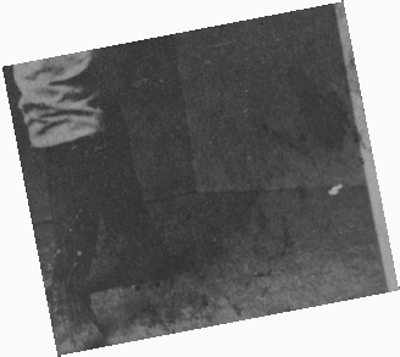
One real example from start to finish. The piece was cut from a second, separate scan of the same physical card, rotated, resized, and searched against 100 enrolled cards.
Enrol the whole object once
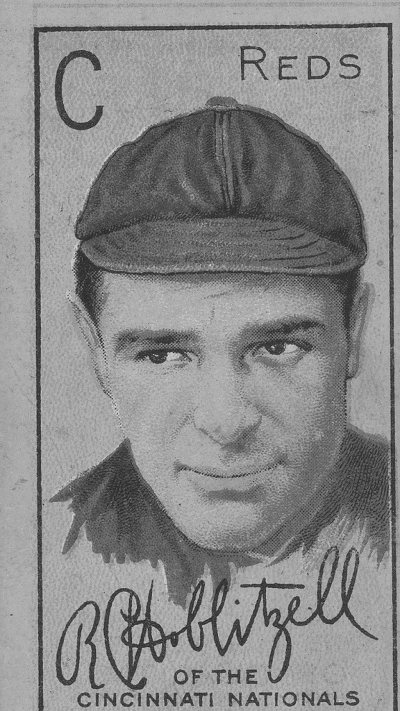
One flat picture of the whole card is all texture-eyes keeps. It is the original every later piece is checked against.
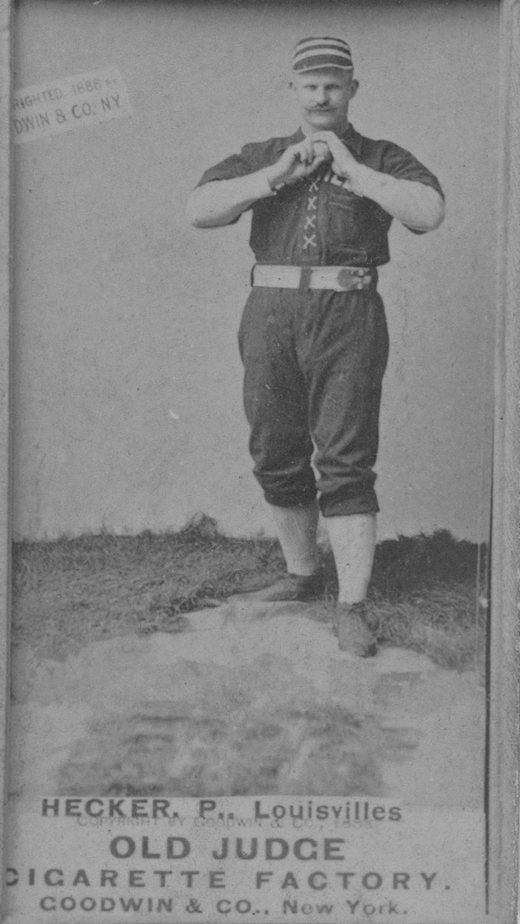
A piece turns up
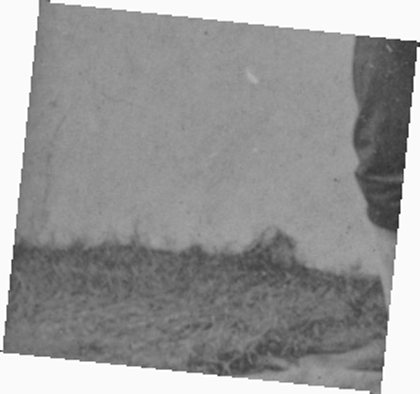
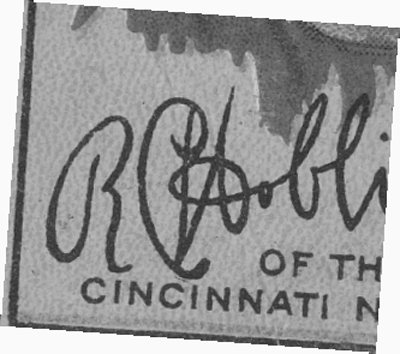
All that survives is a patch of grass and one trouser leg, rotated and a different size. No label, no serial, nothing that gives it away.
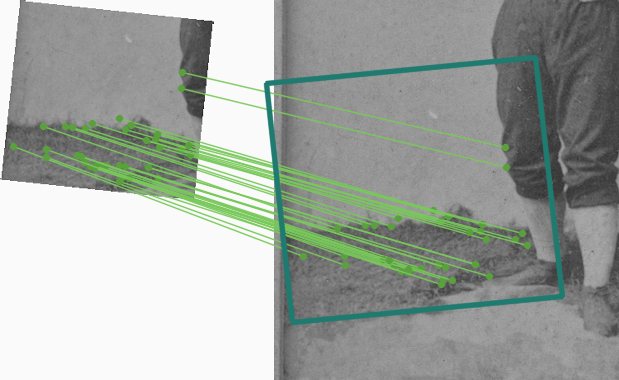
Find where it sits
Distinctive points on the piece are matched against the enrolled card. 107 points agree on one position, so the engine knows exactly where the piece came from, rotated and rescaled.
Line it up and look closer
The piece is turned and scaled onto the card. Left is the card at that spot. Right is the piece laid on top. The printed picture matches by design, so it says nothing about which card this is.
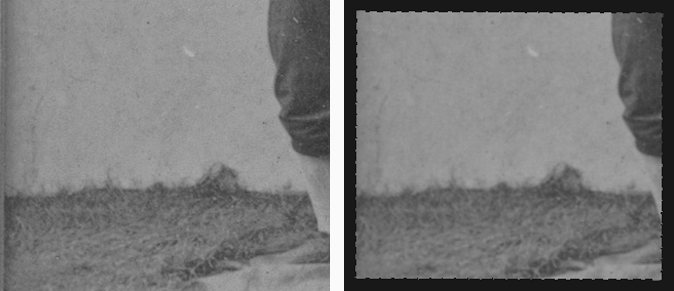
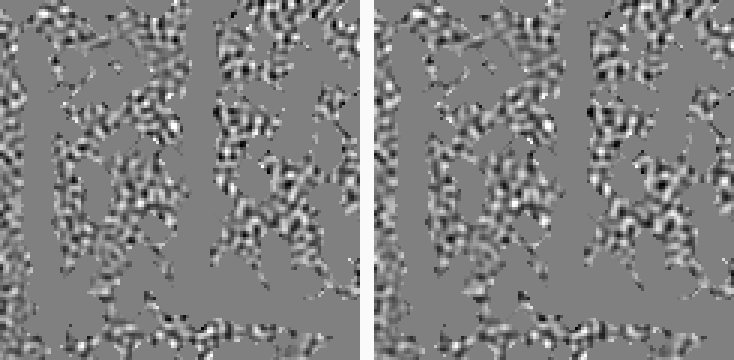
Take the picture away. Read the grain.
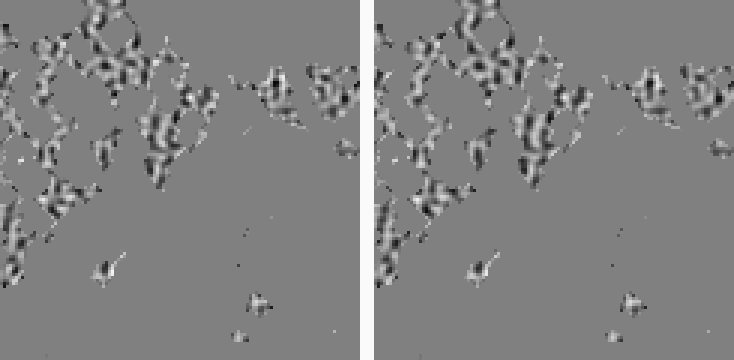
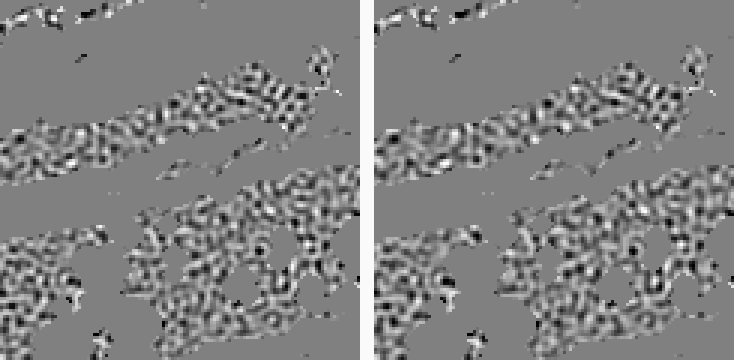
The printed picture is removed. What is left is paper fibre and ink scatter, the part no press repeats. Left is the card, right is the piece. The specks line up.
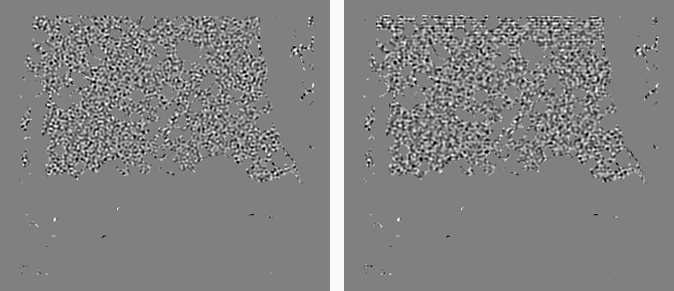
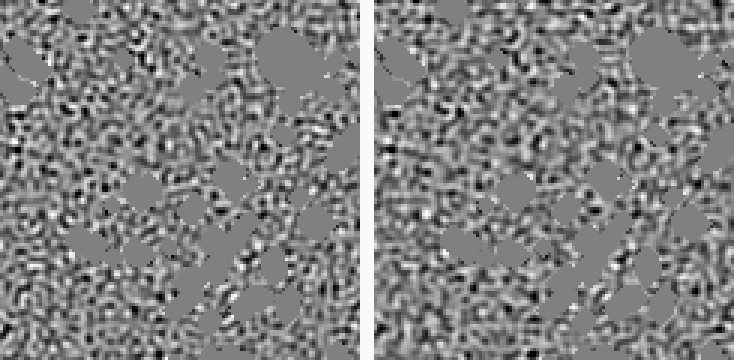
Check a look-alike at the same spot
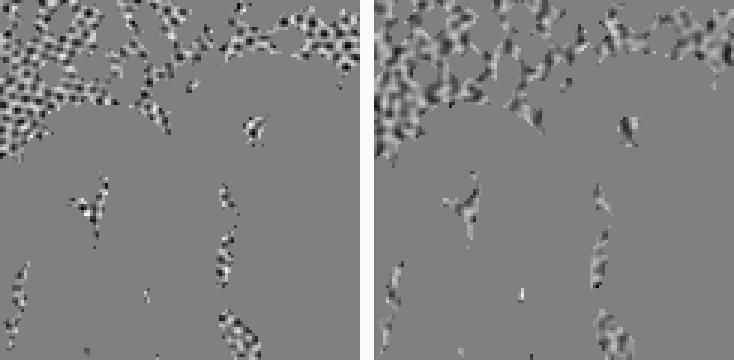
Another card from the same set has the same picture in the same place. Its grain at that spot does not line up with the piece: 0.00 against 0.81 for the true card.
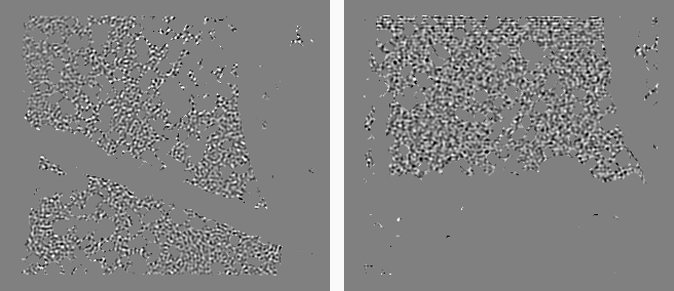
Traced to the right card
One card in the gallery agrees on where the piece sits and on the grain at that spot. No other card comes close.
The hard one: two identical cards
Same printed picture. Two different pieces of paper. Both copies are enrolled, and the piece below came from copy 2. Which copy is it?
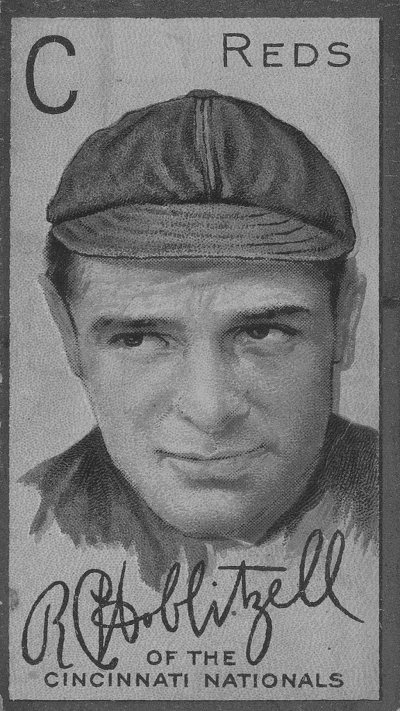
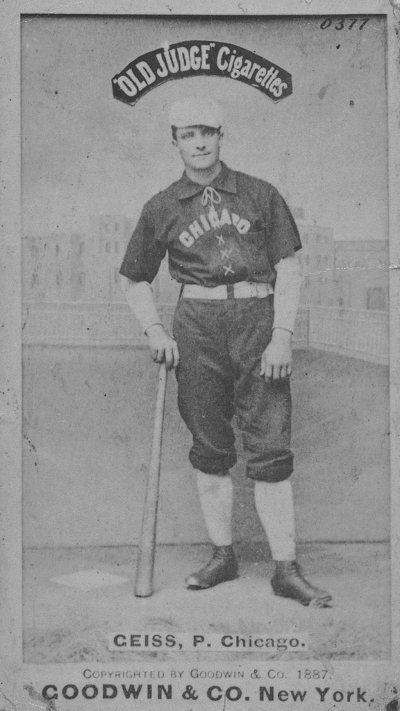
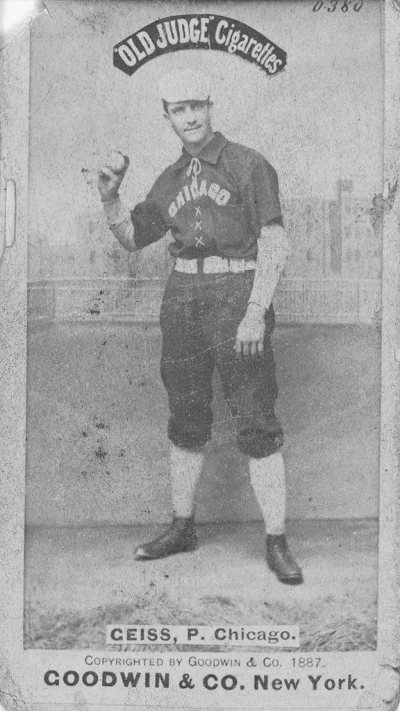
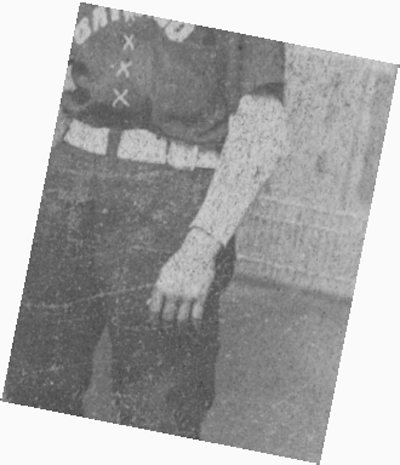
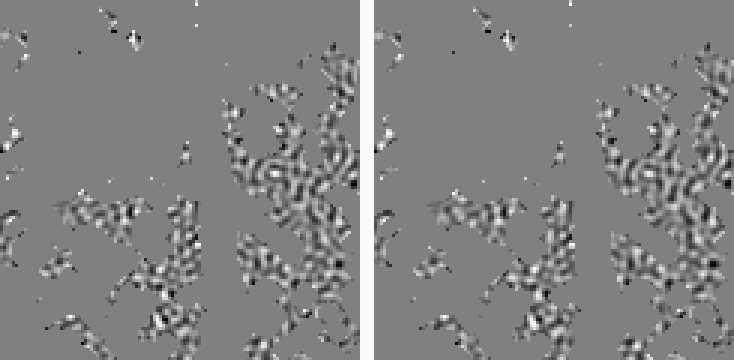
Emil Geiss, Chicago White Stockings
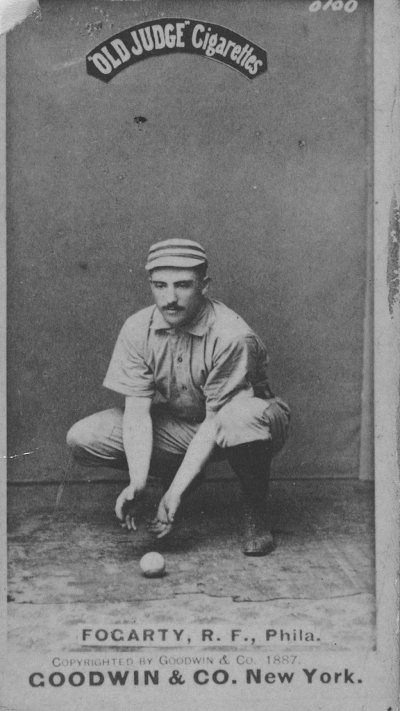
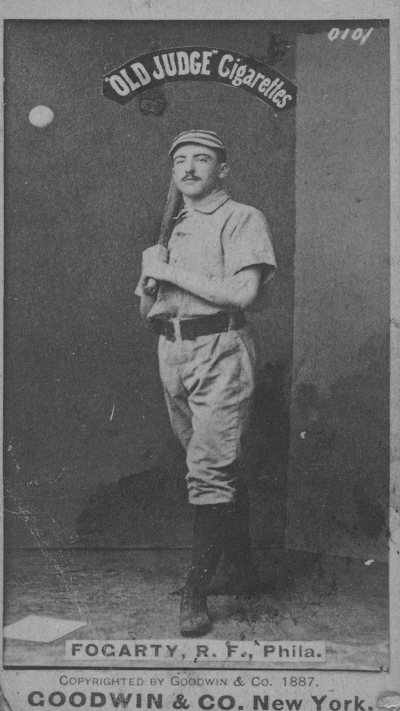
Jim Fogarty, Philadelphia Quakers
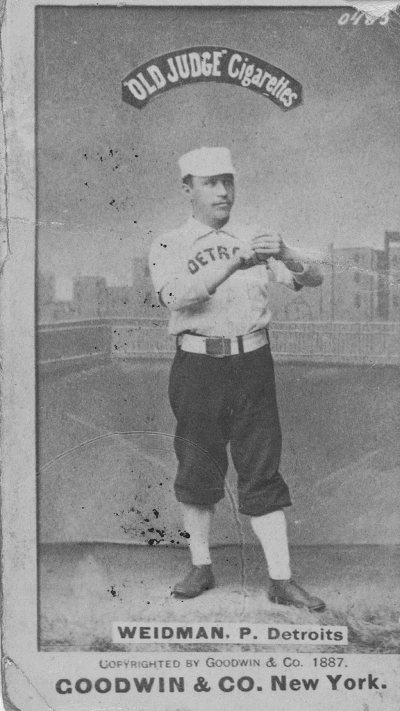
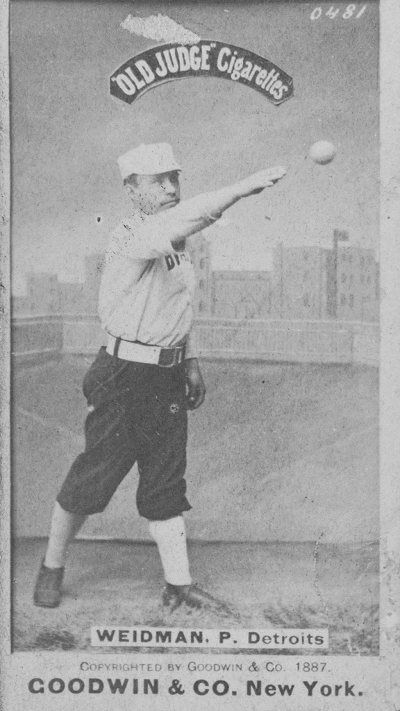
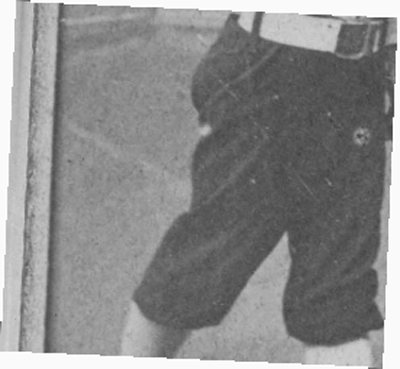
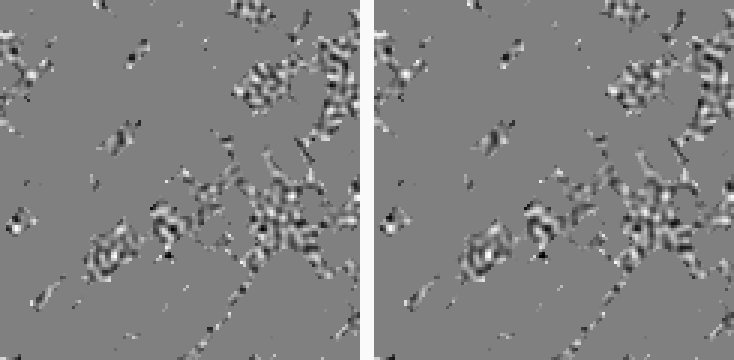
Stump Weidman, Detroit Wolverines
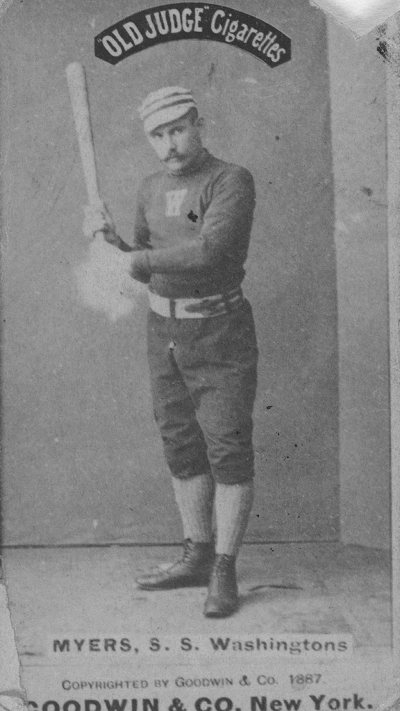
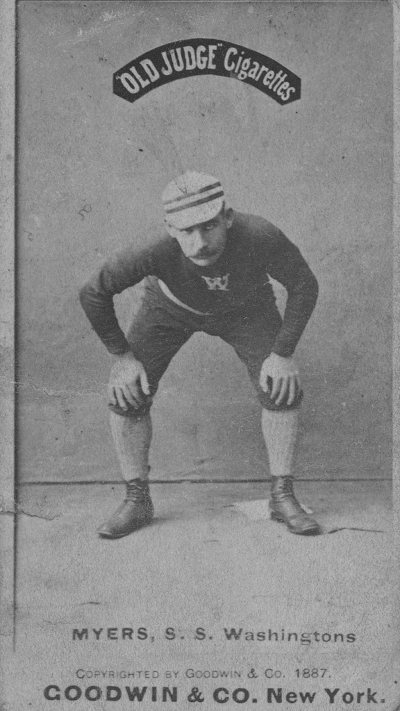
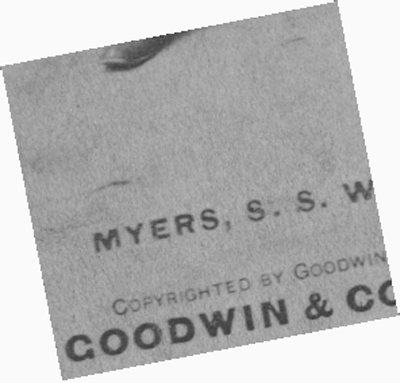
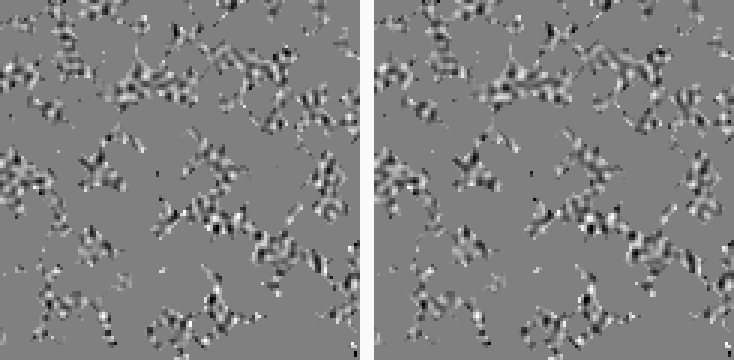
Al Myers, Washington Statesmen
| Piece from a twin copy | Pieces | Refused | Named as the original |
|---|---|---|---|
| Only the original enrolled, piece from its twin copy | 40 | 40 | 0 |
| Same, with soft focus | 40 | 40 | 0 |
| Pieces of look-alike cards, never enrolled | 38 | 38 | 0 |
| Both copies enrolled | Pieces | Right copy | Wrong copy |
|---|---|---|---|
| Both copies enrolled, piece from either copy | 80 | 61 | 0 |
| Same, with soft focus | 80 | 32 | 0 |
More recoveries
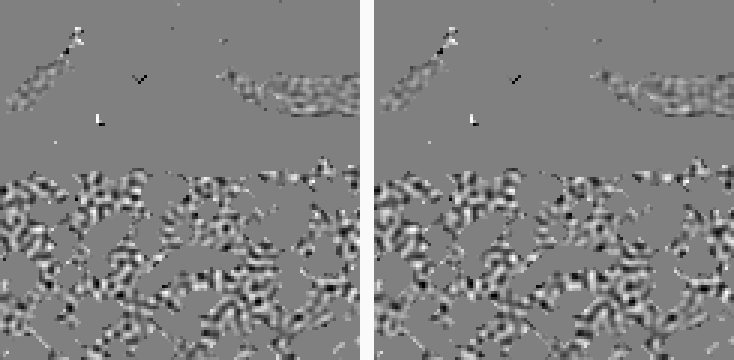
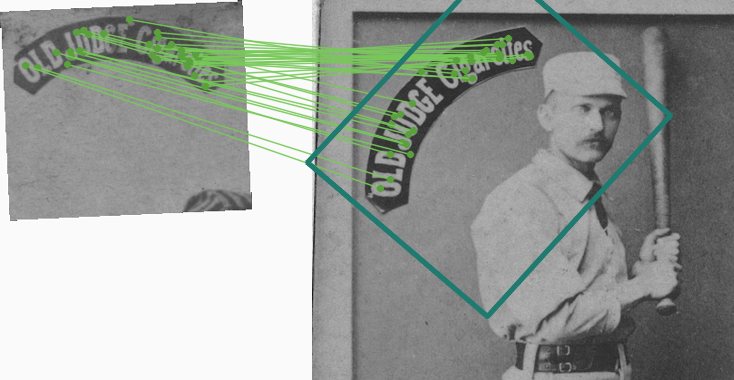
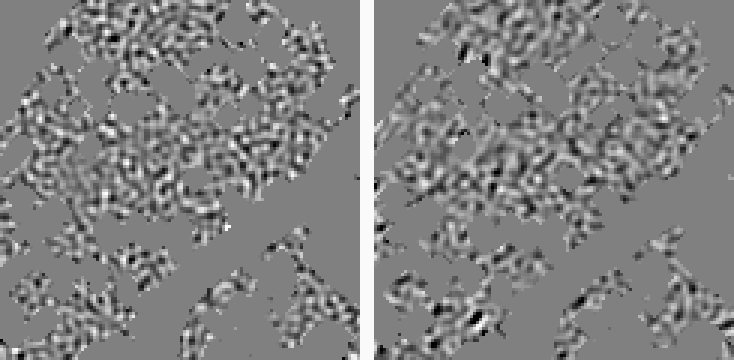
Pieces of other cards, each rotated and resized, each traced. The card with the piece outlined, the piece, and the grain of the card beside the grain of the piece.
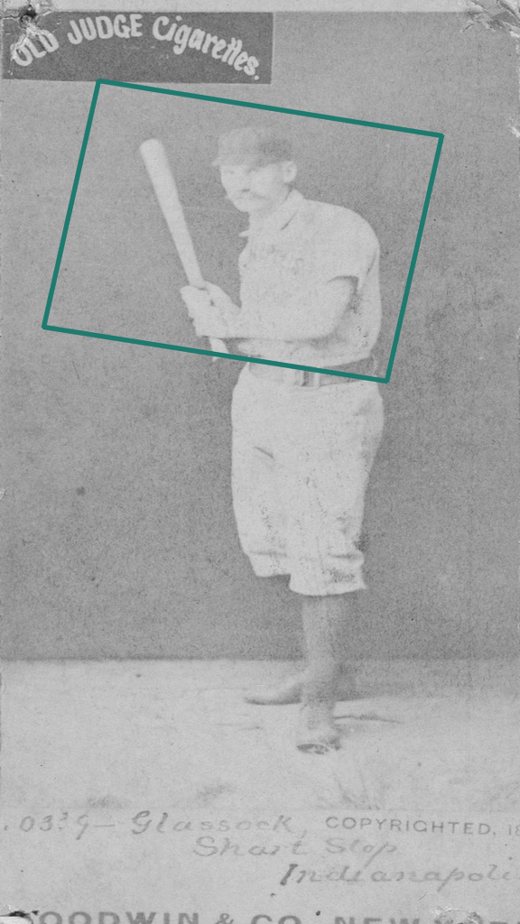
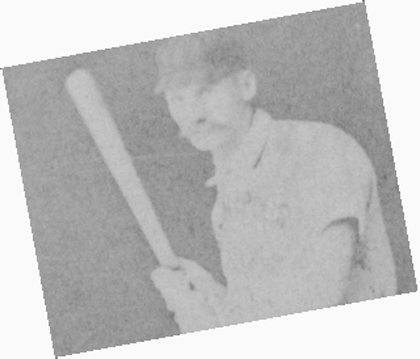

Jack Glasscock, Indianapolis Hoosiers
second scan of the same card
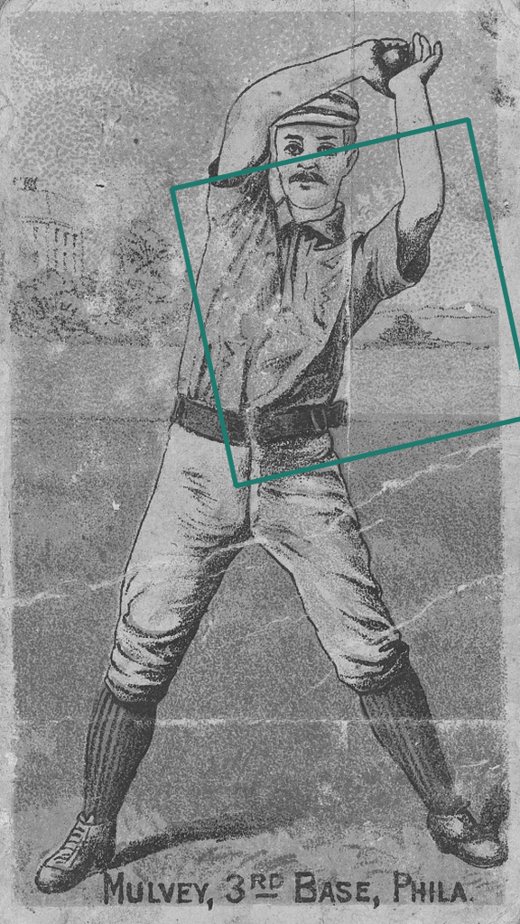
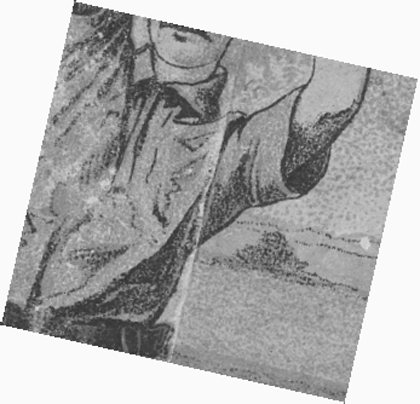
Joe Mulvey, Philadelphia Quakers
rotated 13°, resized 105%
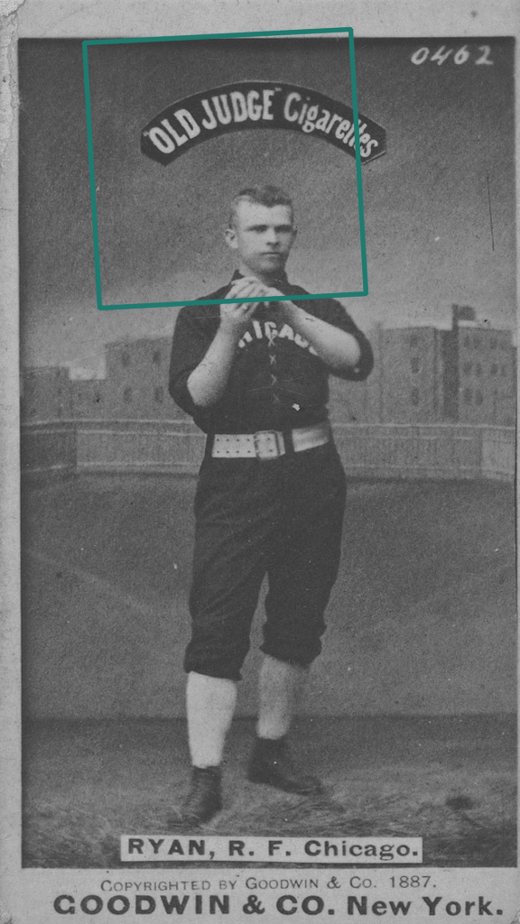
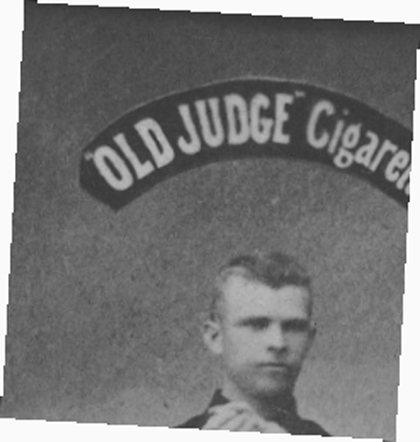
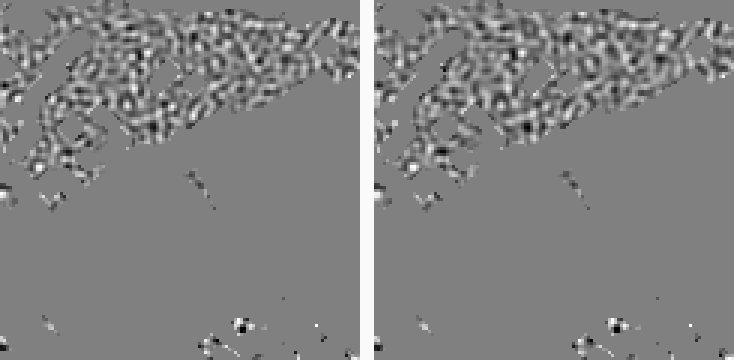
J. Ryan, Chicago White Stockings
rotated 3°, resized 93%
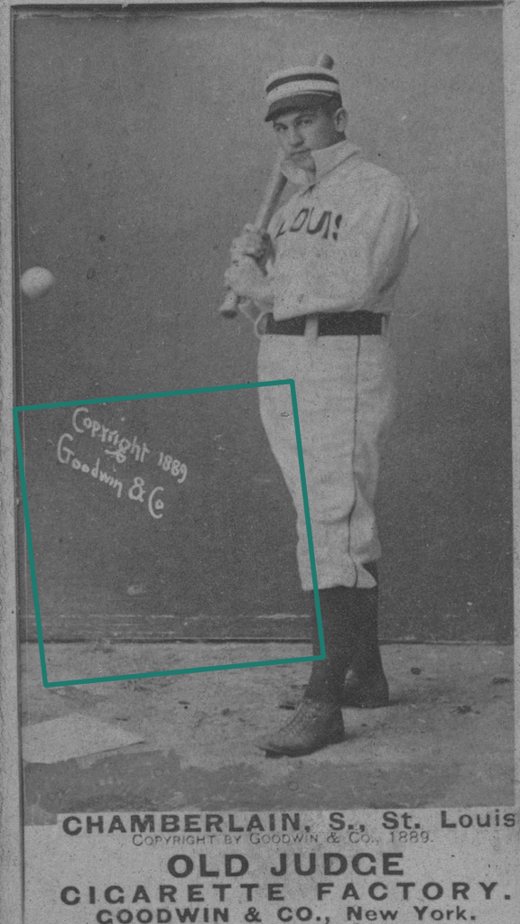
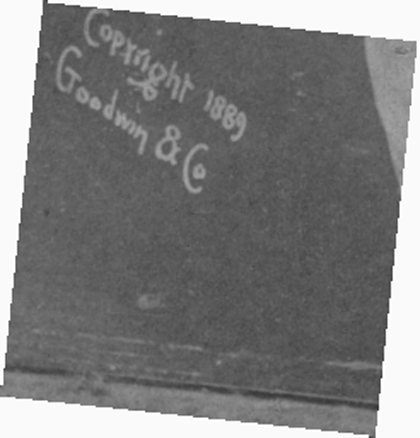
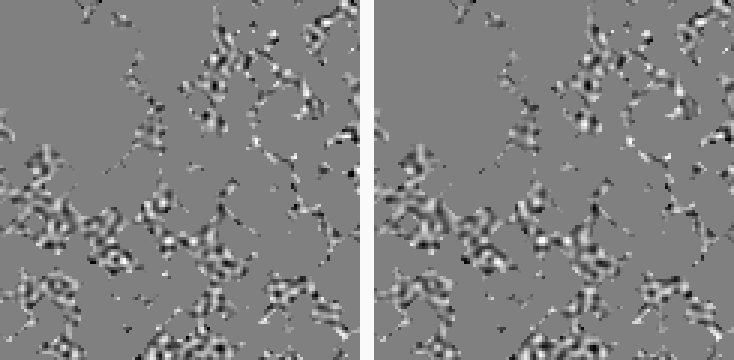
Icebox Chamberlain, St. Louis Browns
rotated 6°, resized 88%
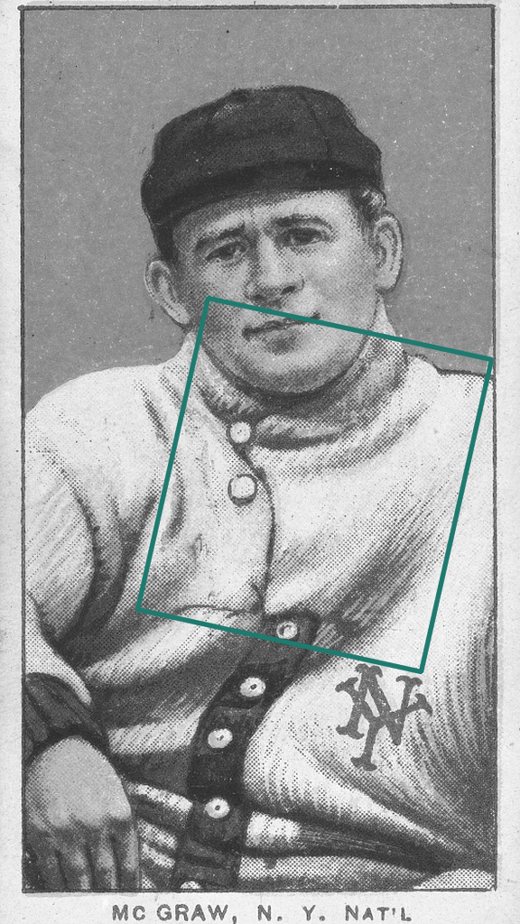
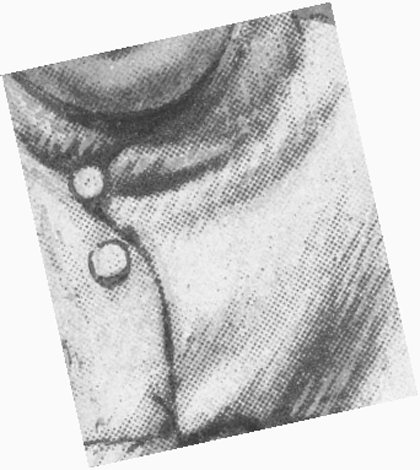
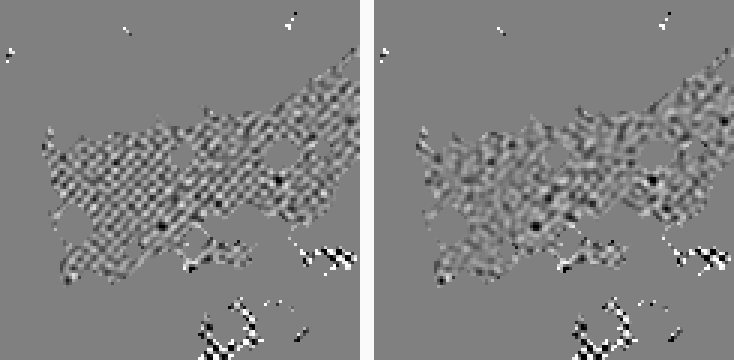
John McGraw, New York Giants
rotated 13°, resized 114%
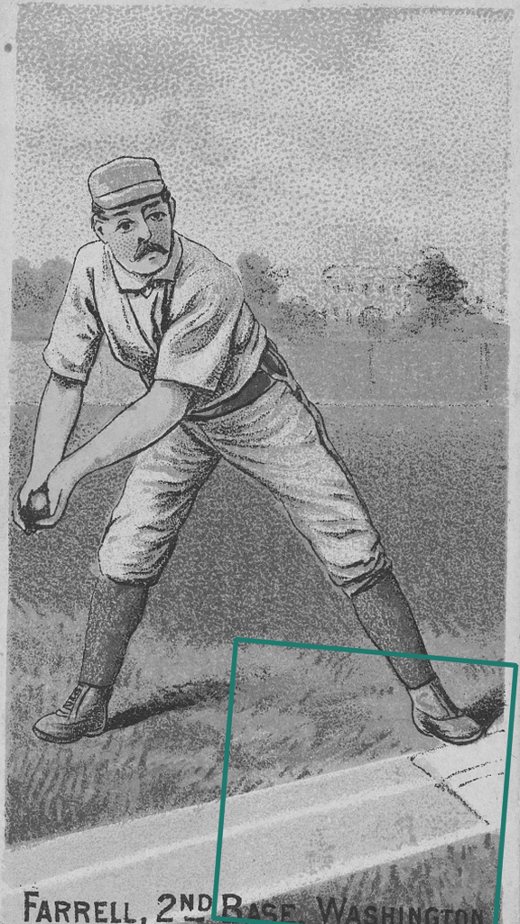
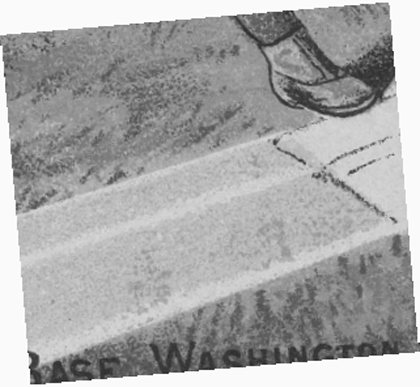
Jack Farrell, Washington Statesmen
rotated 5°, resized 104%
A look-alike can't fool it
Cards in a set share their printed picture. Matching the picture is not enough, and texture-eyes knows it.
Across 100 real cards
Library of Congress scans of old tobacco cards. Every piece is searched against all of them.
| Pieces of an enrolled card | Pieces | Right card | Wrong card |
|---|---|---|---|
| Cut from the enrolled scan, rotated and resized | 40 | 31 | 0 |
| Same, with soft focus | 40 | 17 | 0 |
| Cut from a second scan of the same card | 8 | 5 | 0 |
| Second scan, with soft focus | 8 | 3 | 0 |
100 real card scans enrolled. Each piece is about 12 percent of a card, cut from a scan, rotated up to 15 degrees and resized between 80 and 115 percent. Twin copies: 40 pairs of the same printed card as two different physical copies, drawn from 147 such pairs in the set. Look-alike pieces come from 19 cards of the same series that were left out of the gallery.